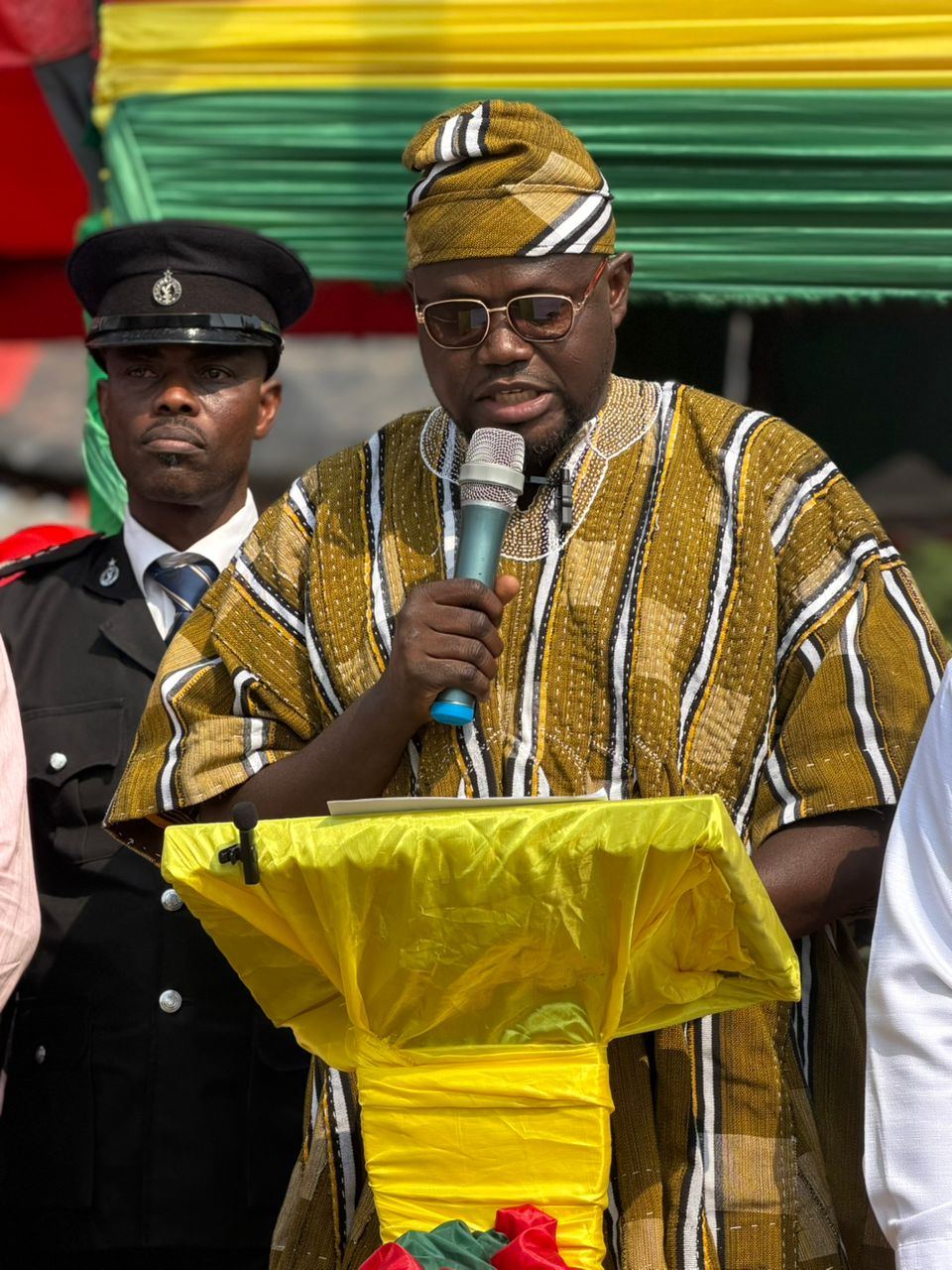
Hon. Joseph Antwi
MCE for Nkwanta South Municipality Hon. Joseph Antwi
Welcome to the official website of the

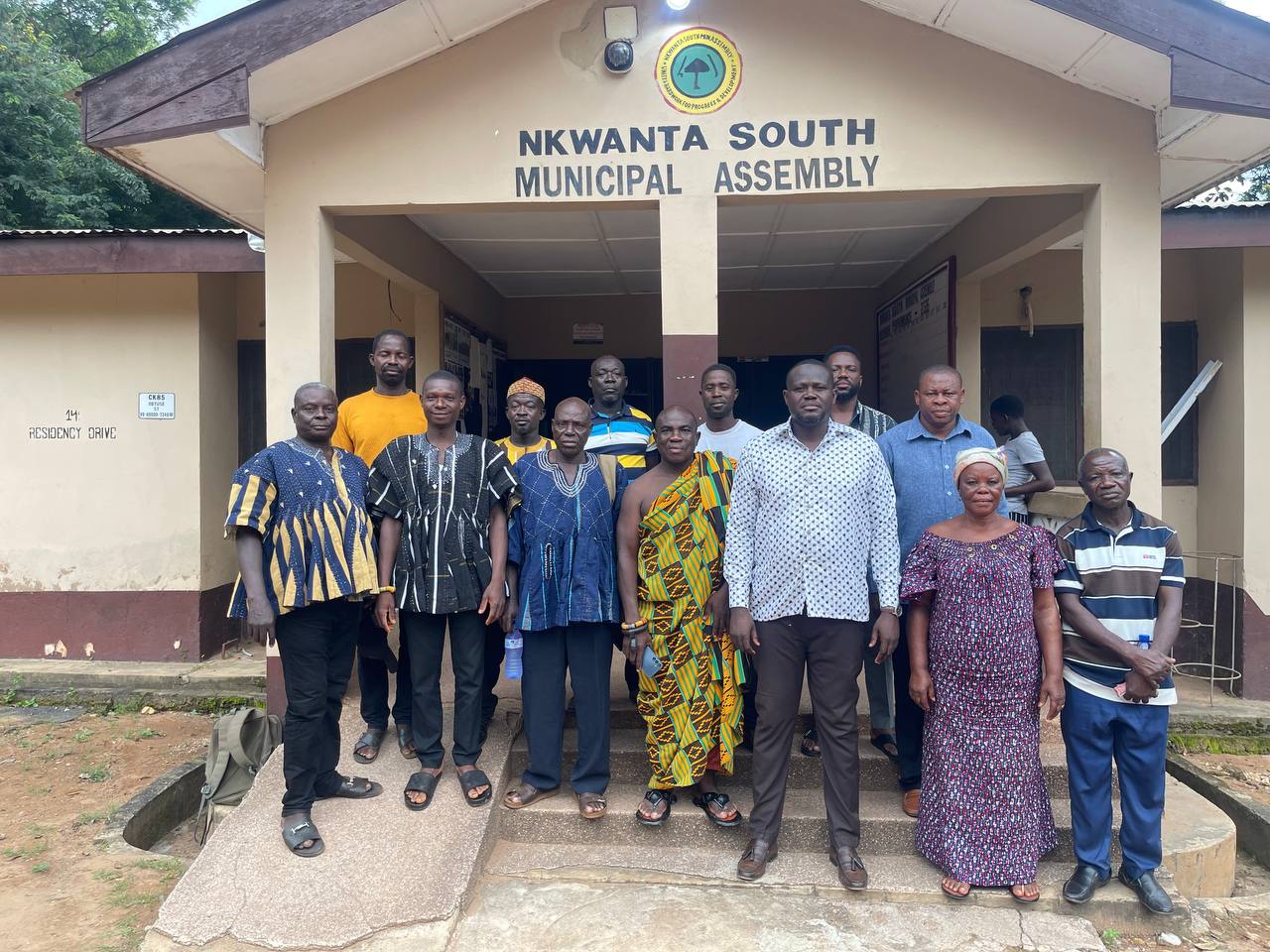
Nkwanta South Municipal Assembly

The Nkwanta South Municipal Assembly serves as the highest administrative and political authority in the municipality, responsible for coordinating development planning, implementing government policies, and delivering essential services to our communities. Our mandate is to promote sustainable development, improve the quality of life of residents, and ensure effective local governance through transparent and accountable leadership.

Nkwanta South is located in the Oti Region of Ghana and was carved out of the former Kete-Krachi District in 1989 as the Nkwanta District Assembly. Following the creation of the Nkwanta North District in 2008, the Assembly was restructured under Legislative Instrument (L.I.) 1892 and renamed the Nkwanta South District Assembly.

Read full welcome message
What we coordinate

Services that keep the municipality moving

The Assembly works through departments and partner institutions to deliver public services, manage resources, and create conditions for local growth.

Local Governance

Administration, coordination, public engagement, and accountable municipal leadership.
Development Planning

Municipal plans, programmes, monitoring, partnerships, and development priorities.

Infrastructure

Roads, public facilities, works supervision, project delivery, and maintenance support.

Public Health

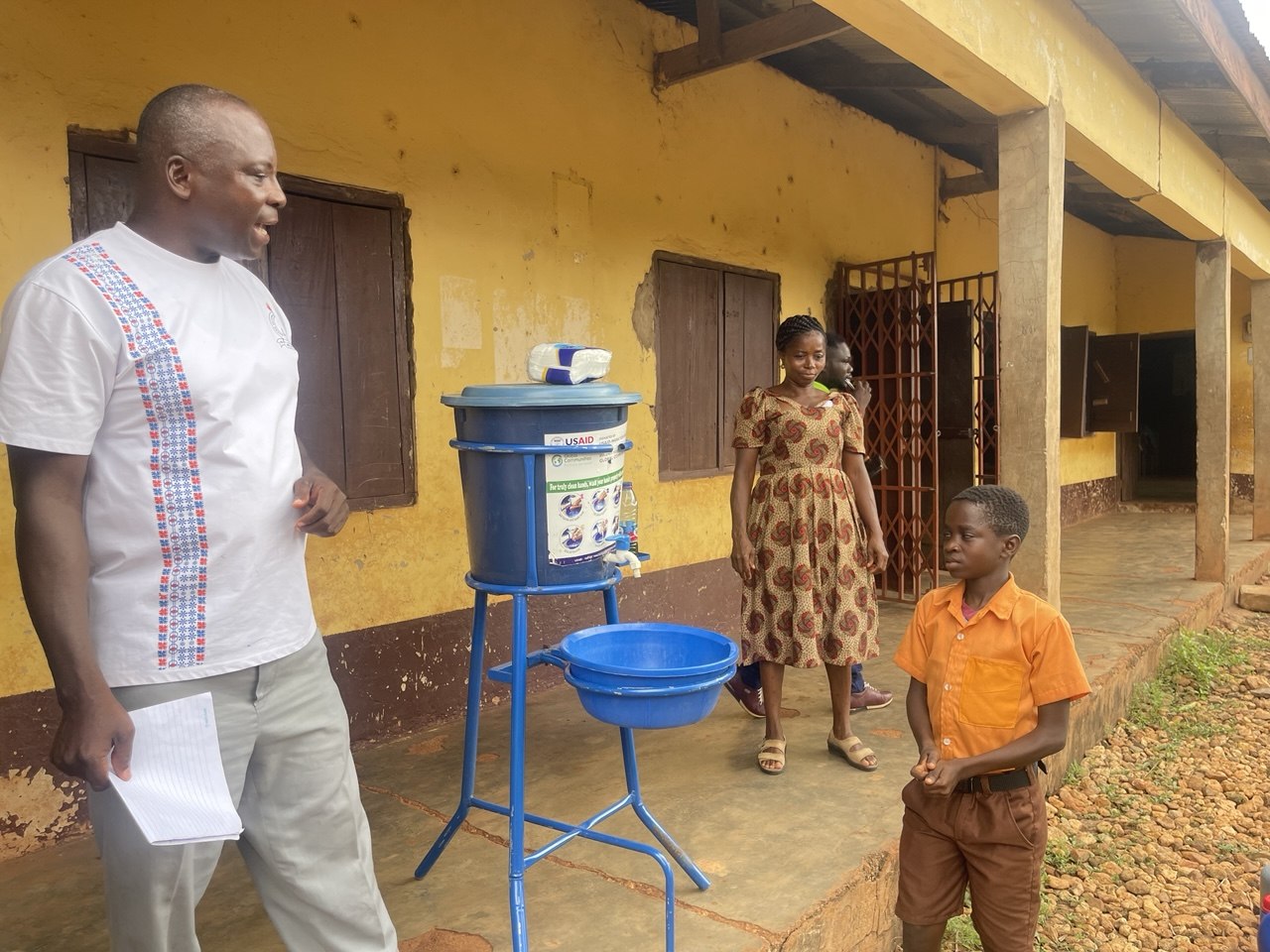
Sanitation, environmental health, hygiene education, inspections, and healthier communities.

Agriculture

Extension support, food security, crop and livestock productivity, and sustainable land use.

Social Development

Community empowerment, vulnerable groups, child welfare, inclusion, and social protection.

Departments

Explore Our Dedicated Departments

A simple directory of the offices and units residents can open for more information.

Growth and investment

District Economy

Nkwanta South offers strong potential for sustainable business development, agriculture, markets, tourism, infrastructure, and partnerships.

Why invest in Nkwanta South

The Nkwanta South Municipal Assembly welcomes investors, entrepreneurs, and development partners to explore the numerous business and investment opportunities available within the municipality. With its strategic location, rich natural resources, fertile agricultural land, and growing local economy, the municipality offers significant potential for sustainable business development.

The Assembly is committed to creating a conducive and supportive environment for investment by facilitating partnerships, improving infrastructure, and promoting policies that encourage private sector participation in local economic development.

  • 01Strategic location with access to markets within Ghana and across the border in the Republic of Togo.
  • 02Large areas of fertile land suitable for commercial agriculture.
  • 03Abundant natural resources and tourism attractions.
  • 04Growing local markets and trade centres.
  • 05Expanding telecommunications and financial services.
  • 06Supportive local government committed to economic development.

Agriculture and Agribusiness

Agriculture remains the backbone of the municipal economy, with strong opportunities for production, value chains, and farmer income growth.

  • Agriculture remains the backbone of the municipal economy. There are significant opportunities for investment in commercial production of cassava, yam, maize, and cereals.
  • Large-scale cocoa and cashew cultivation can be expanded in suitable communities.
  • Livestock farming opportunities include cattle, goats, sheep, and pigs.
  • Honey production and beekeeping can support enterprise, exports, and rural livelihoods.
  • Agro-processing opportunities include gari production, cassava chips, and grain milling.
  • Cold storage and agricultural value-chain development can reduce losses and improve market access.
  • Investment in mechanized agriculture and modern processing facilities can greatly increase productivity and income levels within the municipality.

Agro-Processing and Value Addition

Most agricultural products are currently sold in raw form, creating strong room for processing facilities and local value addition.

  • Most agricultural products in the municipality are currently sold in their raw state, creating strong opportunities for investors to establish processing facilities.
  • Cassava processing plants.
  • Gari and flour processing centres.
  • Cashew processing factories.
  • Cocoa processing and storage facilities.
  • Honey processing and packaging plants.

Tourism and Eco-Tourism

Nkwanta South has several tourism assets with strong investment potential in accommodation, guiding, hospitality, and adventure experiences.

  • Kyabobo National Park.
  • Laboun Waterfall.
  • Shiare Hanging Village.
  • Mountain landscapes and wildlife attractions.
  • Eco-lodges and tourist accommodation.
  • Hospitality and restaurant services.
  • Tour guiding and tourism services.
  • Recreational and adventure tourism facilities.
  • Investment in tourism infrastructure can transform the municipality into a major eco-tourism destination in Ghana.

Trade and Market Infrastructure

Weekly markets attract traders from Ghana and neighbouring Togo, making market infrastructure and SMEs important growth areas.

  • The municipality hosts several weekly markets that attract traders from Ghana and neighbouring Togo.
  • Investment opportunities exist in modern market facilities.
  • Warehousing and storage.
  • Transport and logistics services.
  • Wholesale and retail trading.
  • Entrepreneurs can also invest in carpentry and wood processing.
  • Metal fabrication.
  • Garment and textile production.
  • Food processing and packaging.
  • Repair services and small-scale manufacturing.
  • Improved market infrastructure will strengthen regional trade and boost local economic growth.
  • Support for SME development can generate employment and strengthen the local economy.

Roads and Connectivity

Road improvement is critical because road transport is the main mode of movement for rural communities, markets, farms, and services.

  • Road is the only mode of transport in the district.
  • There are about 316 communities which are predominantly rural, with untarred road networks that make vehicular mobility difficult, especially in the rainy season, and dusty in the long dry season.
  • Sometimes most parts of the district are cut off from the capital during the rainy seasons.
  • Overall improvement, maintenance, and rehabilitation of the road network will lower transportation costs and integrate the rural economy with urban markets to reduce poverty.

Investment Support

The Assembly supports investors by helping them understand opportunities, approvals, partnerships, and local conditions.

  • Facilitating business registration and approvals.
  • Providing information on investment opportunities.
  • Promoting public-private partnerships.
  • Supporting access to land for investment projects.
  • Collaborating with development partners and financial institutions.

Agriculture

The agriculture sector covers crops, livestock, and fisheries, supported by arable land, suitable vegetation, and favourable climate.

  • This sector is divided into three main sub-sectors: crop, livestock, and fisheries.
  • There are vast stretches of arable land with suitable vegetation and climate for optimum crop production. The soil types support a variety of crops.
  • The municipality has comparative advantage in yam, cassava, and cereal production.
  • The introduction of mechanized agriculture for cassava and cereals will stimulate increased income and eventual reduction in poverty.
  • Subsistence farming is predominant, with farmers cultivating very small acreages averaging two acres per farmer. Hoes and cutlasses remain the main farm implements.
  • Credit facilities are not easily available to farmers, and traditional storage methods lead to significant post-harvest losses, especially during the rainy season due to poor road networks.
  • Agro-processing is largely limited to gari processing using cassava; therefore about 95 percent of agricultural produce is sold in raw state.
  • There is potential to increase cattle, goat, sheep, and pig production by introducing new breeds, improving husbandry practices, and establishing fodder banks and improved pastures, especially at Kabiti where there are large expanses of land and water.
  • Fishing is carried out on the Oti arm of the Volta Lake in the district at Kabiti.

Education

Education infrastructure, teacher retention, literacy, and vocational training remain important development priorities for the municipality.

  • The Assembly provides education to the entire district through the Municipal Education Directorate, while the Municipal Coordinating Directorate provides infrastructure for public schools.
  • There are 69 pre-schools, of which 61 are public and 8 are privately owned; 87 primary schools, consisting of 80 public and 7 private; and 37 Junior High Schools, made up of 36 public and one private school.
  • There are four Senior High Schools located at Nkwanta and Brewaniase.
  • The municipality has a challenge with trained teacher retention. Nearly half of all teachers are untrained, while a number of schools have inadequate teaching staff, with serious implications for teaching and learning.
  • Educational facilities such as libraries, furniture, and textbooks are inadequate, and there are still schools under sheds.
  • Nearly 41 percent of the population has never attended school, and over 80 percent of those with some education did not go beyond Basic Education. The situation is more pronounced among females.
  • There are no vocational or technical institutes in the municipality for youth skill training, though young people acquire skills through apprenticeship in mechanic shops, carpentry workshops, dressmaking, and hairdressing salons.
  • The Assembly, with the Rural Enterprises Project and NGOs, will explore community-based capacity building schemes for young people who drop out of school or are unable to attend school.
  • The Assembly is also working with NGOs to develop sports in the district.

Health Service

Health delivery is coordinated through the Municipal Health Management Team and a network of facilities across the municipality.

  • The Municipal health delivery system is managed by the Municipal Health Management Team, headed by the Municipal Director of Health Services.
  • Services include Health Administration, Health Promotion and Curative Services, Maternal and Child Health, Family Planning, Disease Control, and Preventive Services.
  • The team coordinates the activities of various divisions in collaboration with other health-related sectors for health development and disease prevention.
  • There are nineteen health facilities in the municipality: one Municipal hospital, one mission hospital, one health centre at Tutukpene, four clinics, and twelve CHPS compounds.
  • The top five causes of hospital admissions and death are malaria, anaemia, hypertension, pregnancy-related complications, and snake bite.
  • The municipality is involved in malaria control programmes, including Roll Back Malaria, environmental cleanliness, netting of doors and windows, and use of impregnated bed nets, but malaria still accounts for over 40 percent of OPD attendance.
  • Many children suffer from malnutrition because they do not receive adequate nutritious foods, often due to ignorance, poverty, traditional beliefs, or large family size.
  • Potable water coverage is about 75 percent, meaning about 25 percent of people do not have access to safe drinking water. Many households use river or stream water, while about 50 percent use bore-hole, pump, or tube well.
  • The Mutual Health Insurance Scheme has expanded significantly, but faces challenges including inadequate logistics, inadequate office accommodation, delays in renewal, and abuse of healthcare services by clients.

Environment

The municipality has tropical climate conditions, varied vegetation zones, rich natural resources, and growing environmental management needs.

  • Nkwanta South Municipal is characterized by a tropical climate with dry and humid weather conditions.
  • The rainfall regime is double maxima, from April to July and September to October. The average number of rain days is 86, with annual rainfall ranging between 922mm and 1,874mm.
  • The dry season is from November to March. Annual mean maximum temperatures range between 24oC and 39oC, while annual mean minimum temperatures are between 11oC and 26oC.
  • January to April are the hottest months, while August records the lowest temperatures.
  • The municipality is covered by three vegetation zones: semi-deciduous forest zone on the eastern border, savanna woodland, and savanna grassland extending eastwards from the Volta Lake and its Oti arm.
  • Semi-deciduous forest accounts for about 30 percent of vegetative cover, savanna woodland for about 50 percent, and savanna grassland for about 20 percent.
  • Common timber species include Odum, Wawa, and Kyenkyen, but logging, farming, fuel wood cutting, and charcoal production have reduced the original vegetation cover to secondary forests in many areas.
  • Bush burning is rampant during the long dry season.
  • The municipality is home to the Kyabobo Range National Park, situated in the highest mountain range in Ghana, covering 340 square kilometres and linking with Fazao-Malfacassa National Park in Togo.
  • The park contains forest and savanna species, including buffalos, bushbucks, waterbucks, black and white colobus monkeys, potas monkeys, mona monkeys, and many bird varieties.
  • Uncontrolled degradation through bush fires, inappropriate farming practices, and deforestation requires stronger environmental management.
  • Climate change is evident in changing rainfall patterns and weather conditions.

Tourism Potentials

Tourism assets include Kyabobo Range National Park, mountains, waterfalls, wildlife, camping sites, and unique local landscapes.

  • Tourism has become one of the main income and employment generation sectors in Ghana, but the Assembly is yet to fully tap existing local potentials.
  • There are tourist sites with the potential to rival well-known sites in the country. Though largely undeveloped, these sites hold a key to area development if explored.
  • Nkwanta South possesses naturally attractive features including Kyabobo Range National Park, mountains, waterfalls, wildlife, and other natural features.
  • Kyabobo Range National Park is particularly noted for foot safaris.
  • The two breast-mountains viewed from Nkwanta Township serve as a welcome signal to the park.
  • From the mountains, visitors can see panoramic views of the underlying plains, villages, and the Volta Lake.
  • The park has camping sites suited to lovers of nature and eco-tourism.
  • Laboun Waterfall, situated in Kyabobo Park, is about 30 metres high, with upper and lower falls, birdsong, monkeys, animals, and forest canopy.
  • The Hanging Village a few kilometres east of Nkwanta is known for houses built in layers into the mountain, making them appear as though they are hanging.

Telecommunication, Trade and Commerce

Telecommunication, markets, banking, cocoa, cashew, honey, and local trade all support economic activity in the municipality.

  • Vodafone, TiGO, and MTN telecommunication networks promote economic activities within the district.
  • Beyond FM 90.7, located at Nkwanta, undertakes sensitization, education, and promotion of economic activities through advertisement within its catchment area.
  • The district has major marketing centres that attract sellers and buyers from Ghana and the Republic of Togo.
  • Markets are located in Nkwanta, Breweniase, Kue, Bonakye, Kabiti, Keri, Tutukpene, and Ofosu, and are mostly held weekly.
  • Trading activities, especially in periodic markets, constitute one of the major sources of revenue to the Assembly.
  • Investment and improvement of market infrastructure has strong potential to boost district revenue generation.
  • Economic activities are supported by three financial institutions: Ghana Commercial Bank Ltd, Agricultural Development Bank, and North Volta Rural Bank Ltd.
  • Cocoa production is a major activity, especially in Kecheibi and surrounding areas.
  • Cashew development is also picking up, with potential for large-scale cultivation of cocoa and cashew.
  • There is potential for cassava chips production and gari processing for export.
  • Honey production is gaining currency in the district for export.
Explore more

Stay connected with the Assembly

Browse public resources, see community moments, and learn more about the people and work behind municipal development.

Partner with Nkwanta South

The Assembly welcomes investors, entrepreneurs, development partners, and residents who want to help unlock economic potential and improve livelihoods.